

Introduction
Shimmering with an ethereal glow, moonstone has long been admired for its mysterious beauty and its deep connection to the moon. Across civilizations, this gem has been wrapped in myths, legends, and spiritual associations. From ancient temples to modern jewelry studios, moonstone continues to inspire wonder and creativity. In this article, we’ll explore the meaning, history, and cultural lore of moonstone, along with practical insights for those who wish to incorporate it into their jewelry and daily life.
What Is Moonstone?
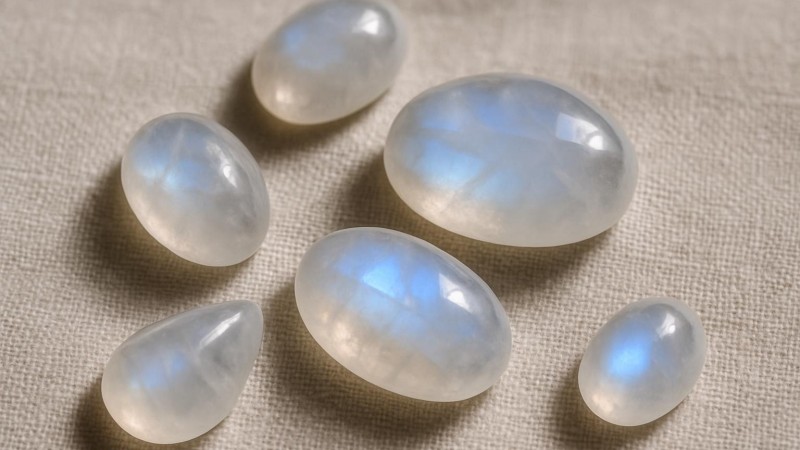
Moonstone is a variety of the feldspar mineral group, known for its captivating optical effect called adularescence — a shimmering, floating light that seems to move within the stone. This phenomenon gives moonstone its signature glow, reminiscent of moonlight on water. The most prized moonstones display a blue or silvery sheen over a nearly transparent body, though they can also appear in hues of peach, gray, white, or rainbow tones.
Moonstone in Ancient History
Throughout history, moonstone has been revered by numerous cultures for its supposed mystical connection to the moon. Its name and appearance made it an obvious symbol of lunar energy, femininity, and emotional balance.
Moonstone in Ancient Rome and Greece
In ancient Rome, moonstone was believed to be solidified rays of the moon. Roman artisans often carved moonstone into cameos and intaglios depicting lunar deities. Similarly, ancient Greek cultures associated the gem with Selene and Artemis, goddesses of the moon, who were thought to bless those who wore it with love and intuition.
Moonstone in India
In India, moonstone has held sacred significance for thousands of years. It was traditionally regarded as a dream stone and a symbol of divine feminine energy. Indian folklore suggested that moonstone brought good fortune and was often given as a wedding gift to promote harmony. It remains one of the country’s official gemstones today, frequently used in intricate gold and silver jewelry.
Moonstone in the Middle East
Middle Eastern cultures have also held moonstone in high esteem. Ancient travelers and merchants carried moonstone talismans for protection and to ensure safe passage under the moon’s light. The stone’s soothing glow was thought to reflect the calm and guidance of the lunar goddess.
Moonstone in Modern History
Moonstone experienced a revival in the Art Nouveau period of the late 19th and early 20th centuries. Artists such as René Lalique and Louis Comfort Tiffany incorporated moonstone into intricate jewelry designs, celebrating its mystical sheen. Today, moonstone remains a popular choice for both fine and handmade jewelry, often paired with metals like silver and rose gold for a soft, romantic aesthetic.
Symbolism and Traditional Beliefs
Throughout time, moonstone has symbolized intuition, emotional clarity, and the cyclical nature of life. It is often associated with new beginnings and inner growth. In folklore, moonstone was believed to enhance empathy and compassion, making it a popular talisman for those seeking emotional harmony.
Moonstone and the Moon Cycle
Because of its connection to the moon, many traditions linked moonstone with the lunar phases. It was thought that wearing moonstone during a full moon could heighten intuition and spiritual insight. This cyclical symbolism made moonstone a favorite among those practicing lunar rituals and meditative traditions.
Moonstone as a Traveler’s Talisman
In ancient lore, moonstone was considered a guardian for travelers, particularly those journeying at night. Sailors often carried it as a protective charm against the dangers of the sea, believing it could ensure safe navigation guided by the moon’s light.
Moonstone in Different Cultures
The allure of moonstone transcends borders and eras. Let’s explore how various cultures have viewed this luminous gem.
Hindu Traditions
In Hindu mythology, moonstone was believed to be created from moonbeams. It was connected to the god Chandra, who governed emotions and cycles. The stone was often used in spiritual ceremonies to balance energies and attract good fortune.
Chinese Beliefs
In traditional Chinese culture, moonstone was associated with yin energy — the feminine, nurturing, and receptive aspect of nature. It was valued for promoting calmness and restoring balance, aligning with the principles of harmony found in Taoist philosophy.
European Lore
During the Victorian era, moonstone was cherished as a symbol of love and fidelity. Folklore suggested that lovers who exchanged moonstone jewelry during a full moon would experience eternal passion and understanding. It became a popular romantic gift, often set in delicate rings or pendants.
Moonstone Varieties and Origins
Moonstone can be found in several parts of the world, with notable sources including Sri Lanka, India, Myanmar, Madagascar, and Tanzania. Each region produces stones with unique characteristics. Sri Lankan moonstones are famous for their shimmering blue sheen, while Indian varieties often display a warm, rainbow-like iridescence.
Different types of moonstone include:
- Blue Moonstone: Transparent to translucent, with a vivid blue adularescence.
- Rainbow Moonstone: Displays a play of multiple colors, often with a milky body.
- Peach or Pink Moonstone: Softly colored stones symbolizing emotional warmth.
- Gray Moonstone: Mysterious and grounding, often associated with introspection.
Moonstone in Jewelry and Craft
Moonstone’s versatility makes it a favorite among jewelry designers and artisans. Its neutral tones pair beautifully with other gemstones and metals, allowing for endless creative combinations. Whether used in bohemian bracelets or elegant earrings, moonstone adds an unmistakable touch of magic.
Designing with Moonstone
When crafting with moonstone, consider complementing it with other luminous or soft-hued stones such as freshwater pearls or rose quartz. Its delicate appearance works well in minimalist settings or as a focal point in multi-stone designs. Many artisans also pair moonstone with gold-filled wire wrappers to create handcrafted pendants and rings.
Pairing with Other Gemstones
Moonstone’s subtle glow harmonizes beautifully with cooler tones like aquamarine, labradorite, and amethyst beads. These combinations evoke a serene and mystical aesthetic, ideal for jewelry inspired by nature or celestial themes.
Care and Maintenance
Moonstone ranks 6 to 6.5 on the Mohs hardness scale, meaning it requires gentle care. Avoid ultrasonic cleaners and harsh chemicals. To clean, simply use warm soapy water and a soft cloth. Store moonstone jewelry separately to prevent scratching by harder materials like jump rings or metal findings.
Moonstone in Modern Spirituality
In contemporary metaphysical traditions, moonstone continues to be associated with intuition, emotional awareness, and feminine energy. It is often used in meditation, crystal grids, and energy work. While these practices are rooted in belief systems rather than science, many people find personal meaning and comfort in working with moonstone as a symbolic tool for reflection.
Using Moonstone for Reflection and Intention
Some practitioners like to meditate with moonstone during a full moon, holding it while setting intentions for new beginnings or emotional clarity. Others keep moonstone on their nightstand as a reminder to stay attuned to their inner rhythms and cycles.
Moonstone and Emotional Symbolism
Folklore often ties moonstone to emotional insight and transformation. It is said to help one embrace change with grace and to nurture patience and understanding. Whether or not one subscribes to these beliefs, the symbolic association can serve as a meaningful metaphor for personal growth and renewal.
Moonstone in Modern Fashion and Design
Moonstone’s dreamy glow makes it a versatile gem in both everyday wear and high-end jewelry. Designers appreciate its ability to complement a wide range of styles—from bohemian chic to minimalist modernism. Moonstone rings, pendants, and earrings have become popular choices for those seeking understated elegance with a touch of mystique.
Moonstone also pairs beautifully with natural textures and materials. Combine it with woven fibers, wooden beads, or polished metals for a balanced, organic look. Its luminous quality makes it equally suitable for both daytime and evening wear, adapting effortlessly to any wardrobe.
Tips for Collectors and Enthusiasts
- Look for quality adularescence: The most desirable moonstones display a strong, centered glow that moves as the stone is turned.
- Choose the right cut: Cabochon cuts best highlight the stone’s inner light, while faceted cuts add sparkle to transparent varieties.
- Mix textures: Combine moonstone with matte or hammered metals for a pleasing contrast in handmade designs.
- Source ethically: When possible, select stones from reputable suppliers like PebbleBead that value craftsmanship and authenticity.
Conclusion
Moonstone’s timeless appeal lies in its blend of natural beauty and cultural depth. From ancient temples to contemporary design studios, it has inspired countless legends and creative expressions. Whether you appreciate moonstone for its historical lore, its symbolic associations, or its luminous charm, this gem continues to reflect the enduring fascination humans have with the light of the moon itself. As you explore moonstone in your own jewelry-making journey, may it inspire both artistry and introspection — a reminder that beauty, like the moon, is ever-changing yet eternal.

Leave a Comment