

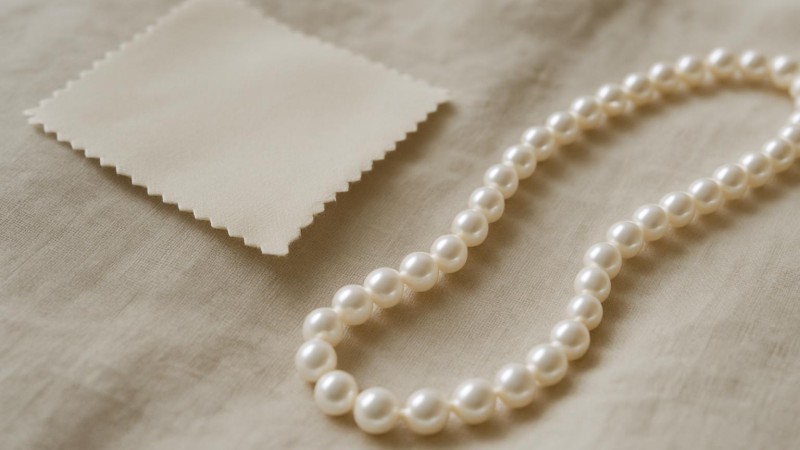
Understanding the Unique Nature of Pearls
Pearls are among the most cherished gemstones, admired for their soft, luminous glow and timeless elegance. Unlike other gemstones that are mined from the earth, pearls are organic, formed inside mollusks. Their delicate surface and composition make them more susceptible to damage from chemicals, abrasives, and improper handling. Whether you own a strand of classic freshwater pearls or a modern pendant, understanding how to clean and care for them properly is essential to preserving their natural beauty.
Why Pearls Need Special Care
Pearls are primarily made of calcium carbonate, which reacts easily with acids and harsh substances. Even your body’s natural oils, cosmetics, and perfumes can dull their luster over time. Their porous surface means they can absorb liquids and chemicals, leading to discoloration or damage. Proper cleaning ensures that you maintain the smooth, iridescent finish that makes pearls so enchanting.
Common Mistakes to Avoid When Cleaning Pearls
Before learning the correct cleaning methods, it’s important to know what not to do. Many people unknowingly harm their pearls by using improper cleaning products or techniques. Here are a few common mistakes:
- Using harsh chemicals: Household cleaners, detergents, vinegar, or ammonia can erode the nacre (the outer layer that gives pearls their shine).
- Soaking pearls in water: Extended exposure to water can weaken the silk thread and allow moisture to seep into the pearl’s core.
- Ultrasonic or steam cleaning: These methods can cause cracks or remove the luster entirely.
- Using abrasive cloths: Rough fabrics or brushes can scratch the delicate surface of pearls.
Step-by-Step Guide: How to Clean Pearl Jewelry Safely
Cleaning pearls requires a gentle touch and the right materials. Follow these steps to ensure your pearls stay radiant and damage-free.
Step 1: Prepare a Mild Cleaning Solution
Mix a small amount of mild, phosphate-free soap with lukewarm water. A drop of gentle baby soap or a cleanser formulated for delicate fabrics works well. Avoid using hot water or any solution containing alcohol or acid. The goal is to create a soft, non-abrasive solution that can lift dirt without harming the pearls.
Step 2: Dampen a Soft Cloth
Dip a soft, lint-free cloth into the solution and wring it out thoroughly so it’s only slightly damp. Never immerse the pearls directly in water. Gently wipe each pearl individually, rotating the cloth to avoid spreading dirt or oils. Take care around metal parts or jump rings connecting the pearls, as moisture can cause tarnish or weaken adhesives.
Step 3: Rinse with a Clean Damp Cloth
After wiping with the soapy cloth, use another clean, damp cloth to remove any residue. Again, ensure it’s not dripping wet. Residual soap can dull the finish, so this step ensures the pearls remain bright and reflective.
Step 4: Air Dry Flat
Lay your pearl jewelry flat on a soft towel and allow it to air dry completely before wearing or storing it. Hanging a wet strand can stretch the silk thread. Never use heat sources like hairdryers, as this can cause cracking or discoloration.
Special Considerations for Different Types of Pearl Jewelry
Necklaces and Strands
Pearl strands are typically strung on silk, which can weaken over time. Even with gentle cleaning, moisture can affect the thread. To maintain their integrity, have your pearls restrung every one to two years, especially if you wear them frequently. When restringing, consider knotting between each pearl—this prevents rubbing and reduces loss if the strand breaks.
Pearl Earrings and Rings
Because these pieces often feature metal settings, it’s important to avoid soaking them. Clean around the pearl and the setting carefully with a damp cloth. If you notice tarnish on the metal, clean it separately using a polish appropriate for the metal type, keeping it away from the pearl itself. For instance, silver polishes should never come in contact with the pearl’s surface.
Pearl Bracelets
Bracelets can collect dirt from frequent wear, especially if worn alongside other jewelry. Wipe them down after each use and store them separately from harder gemstones like amethyst beads, which could scratch the pearls.
Daily Maintenance Tips to Preserve Pearl Luster
Regular maintenance is key to keeping pearls luminous. A few simple habits can make a world of difference:
- Put pearls on last: Apply makeup, perfume, and hairspray before wearing your pearls. Chemicals in these products can damage the surface.
- Wipe after each wear: Use a soft cloth to remove body oils or residue before storing.
- Store properly: Keep pearls in a soft pouch or lined box, away from harder gemstones or metal findings like wire wrappers.
- Avoid direct sunlight and heat: Excessive heat can dry out pearls and cause cracks or fading.
Traditional Symbolism and Folklore of Pearls
Throughout history, pearls have been associated with purity, wisdom, and transformation. In ancient cultures, they were regarded as symbols of the moon and femininity. In folklore, wearing pearls was traditionally believed to attract calmness and emotional balance. Sailors once carried pearls as talismans for safe voyages, viewing their iridescence as a reflection of the sea’s protective power. While these beliefs are rooted in tradition rather than science, they add a rich cultural layer to the appreciation of pearl jewelry.
What to Do If Your Pearls Lose Their Luster
Over time, even well-maintained pearls may appear less radiant. This can happen naturally as the nacre ages. If you notice dullness, avoid aggressive cleaning—this often worsens the issue. Instead, consult a professional jeweler who specializes in pearls. They can evaluate whether the pearls need restringing, gentle polishing, or other restorative care. In some cases, careful professional buffing can revive the glow without compromising the surface.
Storing Pearls for Long-Term Care
Proper storage is just as crucial as careful cleaning. Pearls need a slightly humid environment to maintain their moisture content. Extremely dry conditions can cause them to crack or peel. Store them in a soft-lined jewelry box or pouch, ideally separate from harder stones or metals. If you live in a dry climate, consider placing a small damp cloth nearby (not touching the jewelry) to maintain humidity.
Integrating Pearls with Other Jewelry Materials
Many jewelry makers at PebbleBead enjoy pairing pearls with other materials like amethyst beads, silver findings, or even natural leather cords. When combining materials, consider how each component will age and react to moisture. Pearls are softer than most gemstones, so they should be placed in designs where they won’t rub against harder elements. Using gentle connectors or jump rings made of non-reactive metals helps ensure the piece lasts longer and remains beautiful.
Refreshing Your Pearl Collection
Over time, your style or preferences may evolve, and pearls can adapt beautifully. Consider redesigning older pieces using new materials from PebbleBead—perhaps incorporating delicate wire wrappers or colored accents to modernize a classic strand. Just remember that any modification should be done carefully to protect the pearls from scratches or chemical exposure.
Conclusion: Gentle Care for Timeless Beauty
Cleaning pearl jewelry doesn’t require complicated tools or harsh chemicals—only patience, gentleness, and awareness of their delicate nature. By using mild solutions, soft cloths, and proper storage, you can ensure your pearls remain radiant for generations. Their natural luster is not just a reflection of light, but also of the care and respect they receive. Whether you wear them daily or on special occasions, pearls deserve thoughtful attention to maintain their graceful charm. PebbleBead encourages every jewelry lover to cherish and preserve the beauty of their pearls, honoring both their organic origin and timeless elegance.

Leave a Comment