

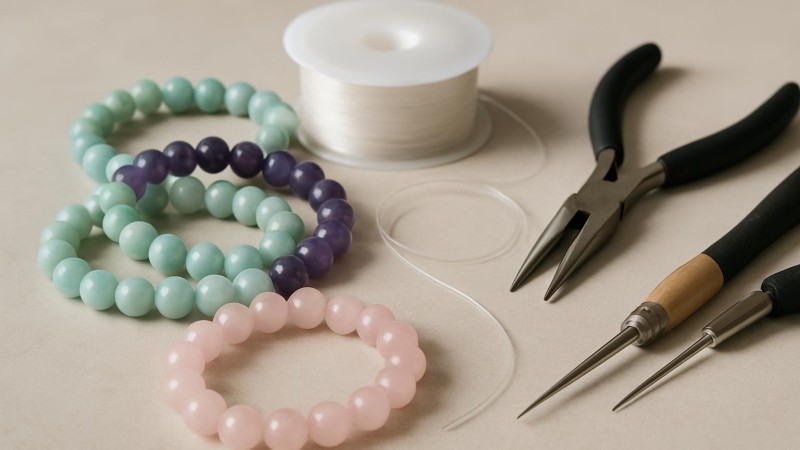
Why Stretch Bracelets Are So Popular
Stretch bracelets are among the most beloved styles of jewelry — simple to make, comfortable to wear, and endlessly customizable. Whether you prefer a minimalist look with sleek black onyx or a bohemian style with colorful amethyst beads, these bracelets suit nearly every taste and occasion. However, one of the most common frustrations among jewelry makers is when a stretch bracelet breaks or loses its elasticity over time. The good news? With the right materials, techniques, and care, you can make stretch bracelets that last for years without snapping.
Understanding Elastic Cord Types
Not all stretch cords are created equal. The first step toward a durable bracelet is choosing the right type of elastic. There are several options available, each with its own strengths and weaknesses:
- Single-strand elastic cord: Ideal for lightweight beads and delicate designs. Common brands include Stretch Magic or similar cords made of polyurethane. They’re easy to knot but may not be suitable for heavy gemstone beads.
- Multi-strand elastic (elastic floss): This type consists of several fine elastic strands woven together. It’s more resistant to fraying and better for heavier beads, such as natural stone or freshwater pearls.
- Elastic thread: Often used for seed bead designs, this thin elastic has a softer stretch and works best with small-hole beads.
When choosing a cord, consider bead weight, hole size, and how often you plan to wear the bracelet. For gemstone bracelets, a 0.7 mm to 1 mm elastic cord usually offers the best balance of strength and flexibility.
Preparing Your Materials
Before you start stringing beads, gather all the tools and components you’ll need. Preparation ensures your bracelet looks professional and lasts longer.
- Elastic cord (high-quality, fresh spool)
- Beads (gemstones, glass, wood, or metal spacers)
- Scissors or flush cutters
- Bead stopper or tape
- Needle (optional, for small-hole beads)
- Jewelry adhesive or clear nail polish (for knot security)
Lay out your beads on a bead board or flat surface to visualize your design. You can mix textures — for example, matte gemstones with polished metal spacers — for an interesting contrast. At PebbleBead, you’ll find a wide range of materials like jump rings and spacers that complement any design theme.
Stringing and Design Balance
When designing a stretch bracelet, balance is key. Too many heavy beads can strain the cord, while uneven patterns may cause tension in certain areas. Try these design tips for longevity:
- Use a consistent bead size: Uniform sizes distribute tension evenly along the cord.
- Alternate heavy and light beads: Mixing materials like gemstones and acrylics can reduce overall stress.
- Leave a little give: Don’t stretch the cord too tightly during assembly. A relaxed cord will flex naturally when worn.
Traditional color symbolism can also add depth to your design. For instance, in folklore, amethyst was thought to symbolize clarity and peace, while tiger’s eye was historically regarded as a stone of protection and focus. Choosing stones based on their traditional meanings can make your jewelry more personal and meaningful.
The Best Knot for Stretch Bracelets
The most crucial step in ensuring your bracelet doesn’t break is tying a secure knot. The surgeon’s knot is widely recommended for stretch cord jewelry because it holds tightly and resists slipping.
How to Tie a Surgeon’s Knot
- String all beads onto the elastic, leaving a few extra inches at each end.
- Cross the ends and tie a simple overhand knot, pulling snug but not tight.
- Loop one end through again (creating a double overhand knot) and pull slowly until firm.
- Add one more overhand knot on top for extra security.
- Apply a small drop of jewelry adhesive or clear nail polish to the knot.
- Let it dry completely before trimming the ends close.
When done properly, this knot will remain strong without adding bulk. If your bead holes are large enough, tuck the knot inside one of the beads for a neat, professional finish.
Using the Right Glue — and Knowing When Not To
While glue can reinforce a knot, using too much can weaken the elastic or cause it to become brittle. Apply only a tiny dab and let it cure fully before wearing. Avoid superglue or instant adhesives, as they can make the elastic stiff and prone to cracking. A jewelry-specific adhesive designed for flexible materials works best.
How to Prevent Breakage During Wear
Even the strongest bracelet can break if handled roughly. To extend the life of your stretch bracelet, follow these care guidelines:
- Roll the bracelet gently over your hand instead of stretching it wide.
- Avoid wearing it in the shower, pool, or while applying lotions or perfumes.
- Keep it away from extreme heat or direct sunlight for long periods.
- Store it flat or in a soft pouch when not in use.
Elastic can degrade over time, especially when exposed to moisture or chemicals. Regularly check your bracelet for signs of wear or fraying, and restring it if needed. With proper maintenance, your handcrafted jewelry can stay beautiful for years.
Advanced Techniques for Added Strength
If you frequently make stretch bracelets or sell them, consider a few professional upgrades to improve durability.
Double Stringing
Threading two strands of elastic through each bead hole doubles the strength of your bracelet. It also provides a backup if one strand happens to break. This method works best with larger beads that have generous holes, such as 8 mm or 10 mm gemstones.
Using Crimp Covers or Bead Caps
While crimps are generally avoided with elastic (they can cut the cord), you can use decorative crimp covers or bead caps to conceal knots and give your design a polished look. This also protects the knot from abrasion.
Pre-Stretching the Cord
Before stringing, gently stretch your elastic cord several times along its length. This pre-stretching helps it relax and prevents future sagging. However, don’t overstretch — you’re just removing the initial slack, not thinning the cord.
Choosing the Right Beads for Stretch Bracelets
Bead choice affects both aesthetics and durability. Natural stone beads, glass, and wood all have unique properties to consider.
- Gemstone beads: These are timeless and add a sense of grounding. In traditional belief, rose quartz was associated with love and harmony, while jasper was thought to bring stability and balance.
- Glass beads: Offer vibrant colors and shine but can be heavy — ideal for thicker cords.
- Wood or seed beads: Lightweight, organic, and comfortable for everyday wear.
- Metal spacers and charms: Add contrast and interest, especially when paired with wire wrappers or accent findings.
When mixing materials, be mindful of weight distribution. A bracelet that’s too heavy on one side may stretch unevenly and eventually snap.
Creative Design Ideas
Once you’ve mastered the basics, experiment with patterns and themes. Here are a few creative ideas:
- Monochrome minimalism: Use beads of a single color or stone type for a sleek, modern look.
- Chakra-inspired designs: Incorporate seven different stones traditionally linked with energy centers in the body — a popular theme in yoga and meditation jewelry.
- Nature-inspired tones: Combine greens, browns, and neutrals for an earthy, grounding aesthetic.
- Mixed texture bracelets: Alternate smooth gemstone beads with faceted crystals or matte finishes for visual depth.
Each design tells a story — whether it’s a personal intention, a gift for a friend, or a piece to sell in your jewelry collection. Adding small symbolic charms or stones with historical significance can make your bracelet feel truly special.
Troubleshooting Common Problems
Even experienced jewelry makers encounter issues. Here’s how to fix or prevent common problems:
- Fraying cord ends: Use a sharp pair of scissors to cut the elastic cleanly. Frayed ends make knotting difficult and reduce strength.
- Loose knots: Ensure each knot is pulled snugly and secured with a dab of adhesive.
- Uneven tension: If your bracelet feels tight in some spots and loose in others, restring it with a more even pull.
- Elastic losing stretch: Over time, all elastic materials fatigue. Pre-stretching and proper care can delay this process.
Final Thoughts: Building Long-Lasting Stretch Bracelets
Making stretch bracelets that won’t break or snap is both an art and a science. It’s about understanding your materials, mastering the right techniques, and treating your creations with care. Whether you’re crafting a simple everyday bracelet or a luxurious piece with gemstone accents, following these expert tips will help you create jewelry that stands the test of time.
At PebbleBead, you can find premium-quality materials like natural stone beads, elastic cords, and findings to bring your ideas to life. With a little patience and creativity, every bracelet you make can become a lasting expression of your personal style and craftsmanship.

Leave a Comment